What is unmasking, anyway?
...and is that even the right word for what I'm seeking?
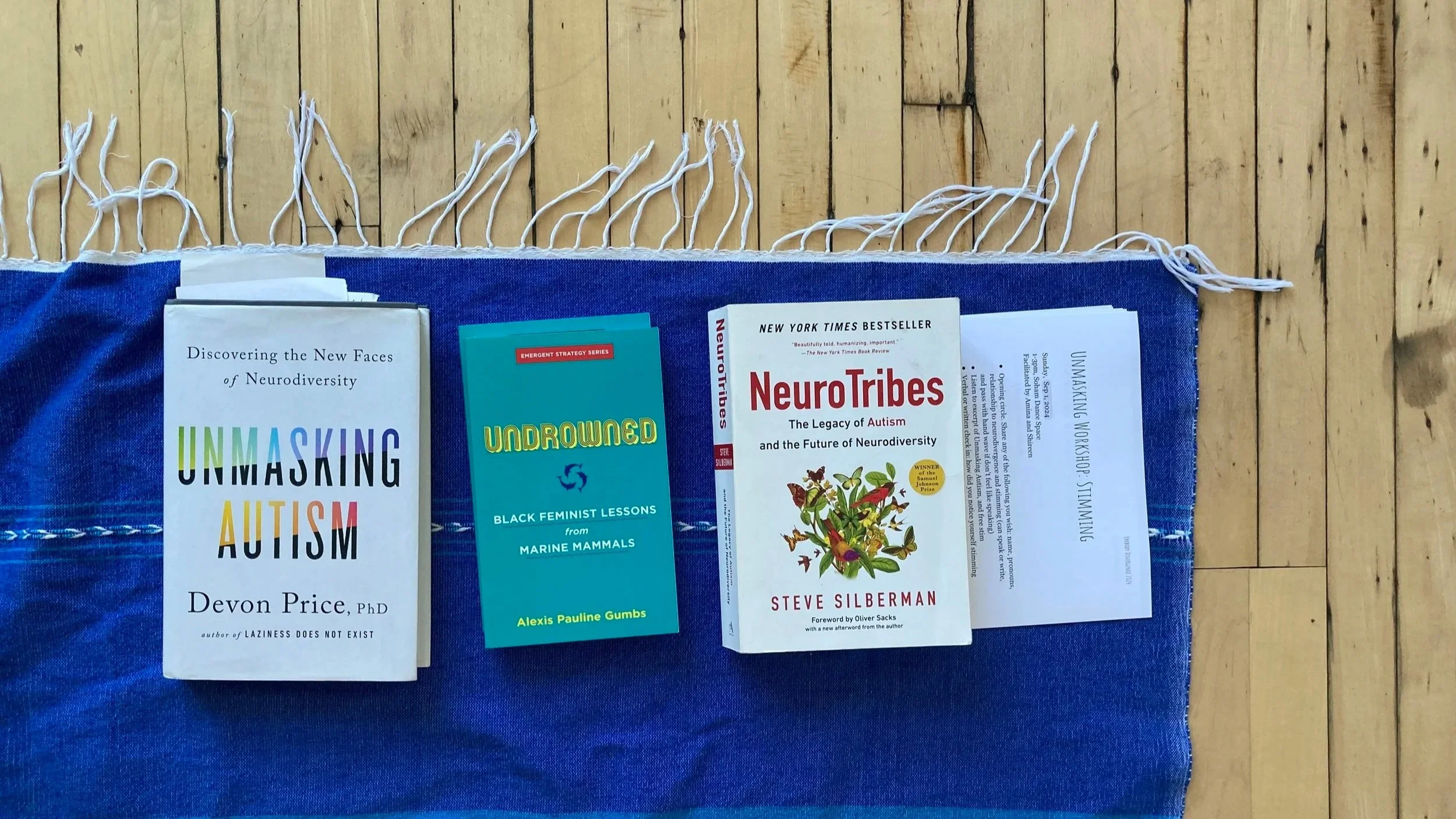
To mask is to perform neuro-normativity—to make eye contact, engage in small talk, and refrain from doing anything “weird” with our bodies. Constant masking without awareness leads to extreme stress and burnout, which has led us to the concept of unmasking. To unmask is the opposite—to release the expectations of our ableist society in order to speak, act, and move freely. It’s a powerful concept, explained in detail by Devon Price in Unmasking Autism.
However, as the concept of unmasking has gained popularity in recent years, it has been used to justify some questionable things. Talking down to others, squashing over other people’s needs to get our own desires met, and ignoring the suffering of people around us in pursuit of constant comfort can all be rationalized as “unmasking.” During a Saturday Night Live appearance in 2021, Elon Musk quipped that he “sometimes say[s] or post[s] strange things,” because “that’s just how [his] brain works” due to his neurodivergence. Given that the things Elon Musk says and posts support white supremacy, it is concerning that he is crediting them to his neurodivergence.
At the British film awards this week, John Davidson, a white man with Tourette’s syndrome, yelled a racial slur at two black actors onstage (Michael B. Jordan and Delroy Lindo). The overwhelming response from white folks was to explain his good intentions and disability rather than to apologize for the harm he caused, as pointed out by black autistic advocate Tiffany "Tiffy" Hammond.
People with power have begun using neurodivergence and unmasking as excuses for doing harm and avoiding accountability.
When we are operating from a place of privilege in this society, we are far too easily positioned to cause harm and call it freedom.
As she did with many things, black feminist poet Audre Lorde warned us about this phenomenon decades ago. In her essay, The Uses of the Erotic: the Erotic as Power, she wrote:
To share the power of each other’s feelings is different from using another’s feelings as we would use a kleenex. When we look the other way from our experience, erotic or otherwise, we use rather than share the feelings of those others who participate in the experience with us. And use without consent of the used is abuse.
Whenever we are with other people, we must attune to them—we must sense for what they are feeling and do our best not to harm them. As humans, we do not exist solely as individuals, and harm to one of us is harm to all of us.
When we “unmask” without sensing for the impact on those around us, we use the feelings of others without their consent.
I don’t want my freedom at the expense of my neighbor’s imprisonment. I don’t want endless resource at the expense of your scarcity. I don’t want to distract myself with constant stimulation or soothe myself with constant comforts while others are suffering. This is not what I mean when I say that I want to unmask.
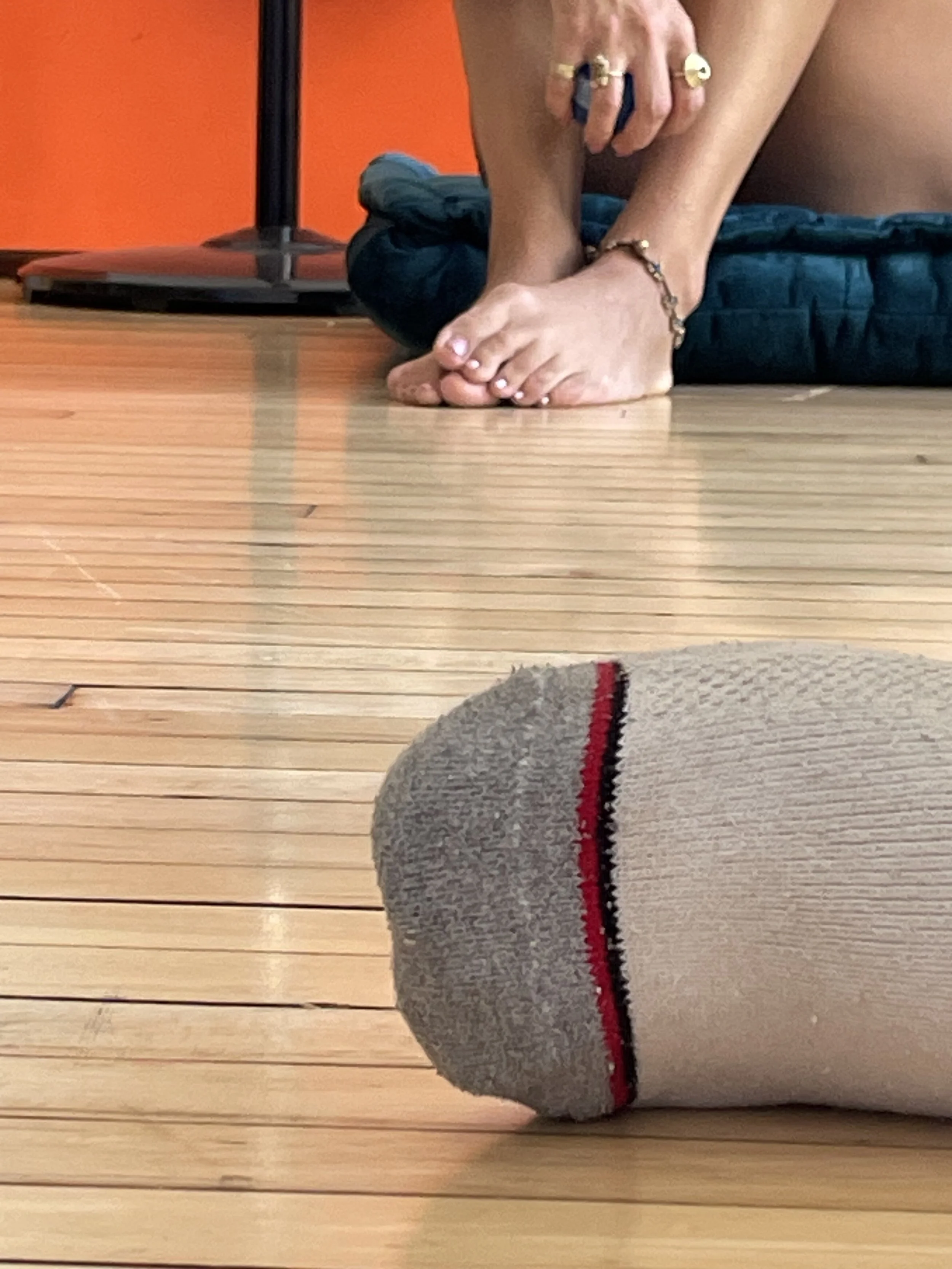
I want enough for all of us, feet rooted to the ground. I want presence with what is here. I want true liberation, even though that requires me to sometimes feel uncomfortable.
So…is that unmasking? Or is there a better word for it? As I turn this question over in my mind, some terms come to me:
un-severing
re-attuning
un-veiling
de-armoring
re-igniting
I’m not set on any of them yet.
What do you think?
Do you like the term unmasking, or have you found something that resonates more?
Let me know in the comments or by email.
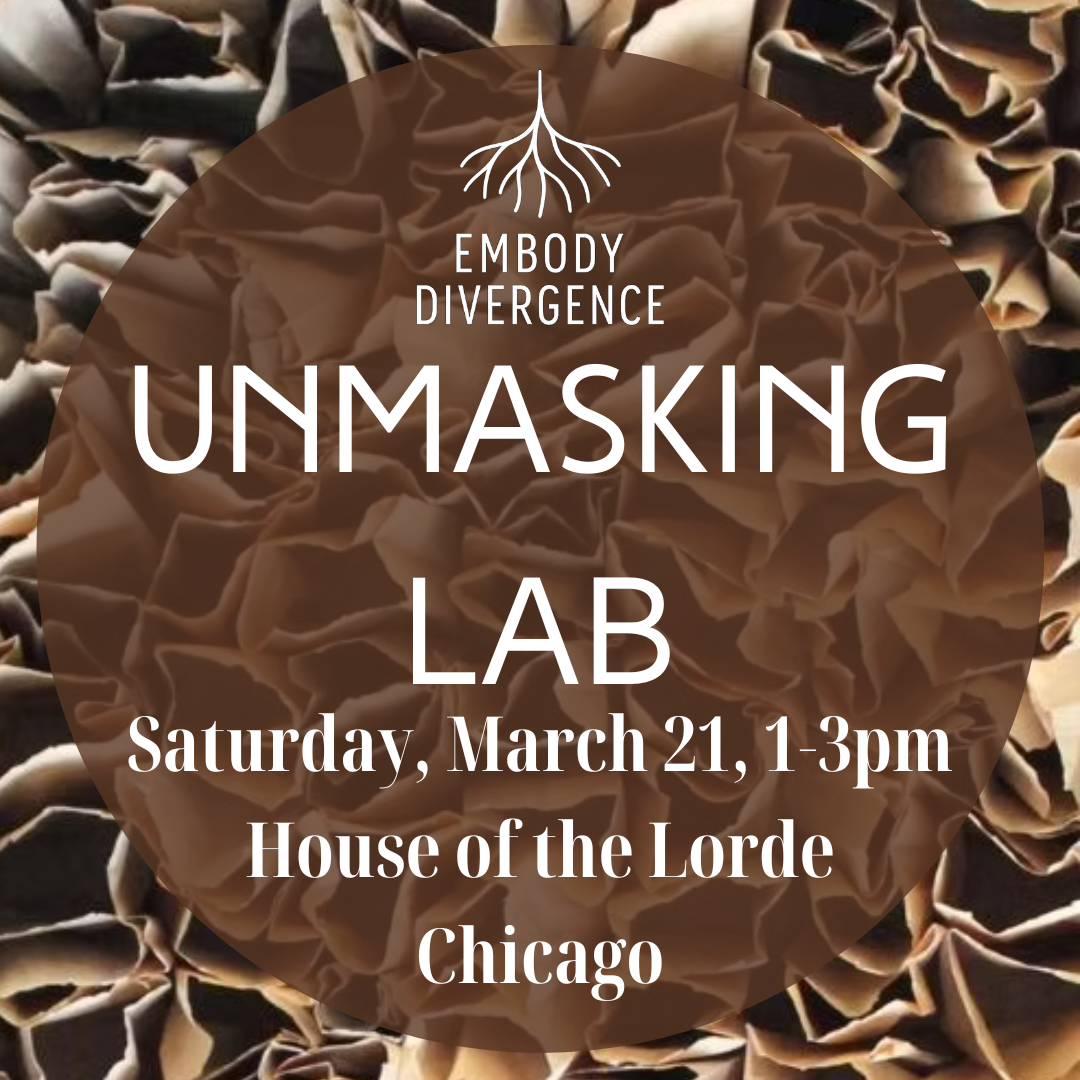
And if you’re in Chicago, come explore these questions with me in the next monthly Unmasking Lab at House of the Lorde.
Shout out to my partner Blue for teaching me how to discern autism from white masculinity. Blue, thank you for your brilliance, and for talking and living these ideas with me.